Jesus Jelly Beans SVG T-Shirt Design Review
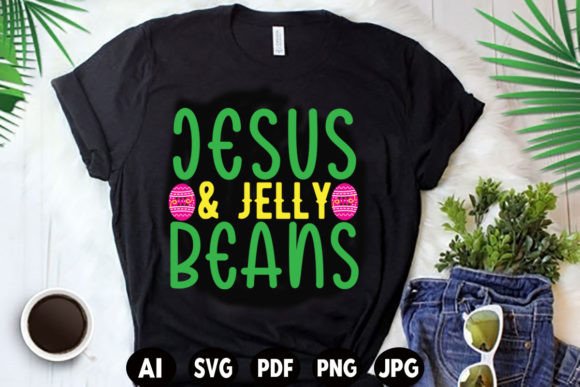
When I first opened the Jesus Jelly Beans SVG file, I was immediately struck by its playful yet reverent tone. This graphic design asset blends whimsy with faith-based messaging, creating a mood that feels both lighthearted and meaningful. As a brand designer and content marketer, I always evaluate how a visual asset will influence audience perception—and here, the emotional tone is warm, nostalgic, and community-focused. The illustration style leans toward a hand-drawn, almost whimsical aesthetic, with jelly beans forming a cross or a gentle religious symbol. It feels suitable for casual branding, handmade products, lifestyle content, event promotions, and commercial marketing materials that target family-oriented or faith-connected audiences. The design avoids being overly saccharine, striking a balance that could work for both traditional and modern small business branding.
I imagined a real marketing project: a small business launching a seasonal Easter campaign for a new line of faith-based apparel. The brand wanted to refresh its social media visuals and create a cohesive content kit for the spring season. Jesus Jelly Beans SVG immediately felt like a natural fit for product labels, packaging design, social media graphics, and even Canva templates. Its imaginative but clean execution suggested it could support a stronger first impression, clearer visual hierarchy, and more consistent branding across multiple touchpoints. For a brand owner or content creator, this asset feels like a versatile building block for a campaign that needs to attract attention without looking messy or unprofessional.
First Impressions and Audience Perception
The mood of Jesus Jelly Beans SVG is accessible and engaging. It doesn’t try to be overly polished, which works in its favor for modern design that feels authentic. The jelly bean shapes are distinct and readable, and the overall composition avoids clutter. This is critical for audience trust—if a design asset looks chaotic at first glance, viewers may question the professionalism of the brand using it. Here, the visual hierarchy is clear: the cross or faith symbol remains the focal point, while the jelly beans act as decorative but meaningful accents. For social media managers and digital sellers, this means the asset can be placed into Instagram posts, Pinterest pins, Facebook ads, or blog graphics without overwhelming the main message. It also performs well in editorial design, where a subtle yet recognizable motif can anchor a page layout or email banner.
Real Campaign Workflow with Jesus Jelly Beans SVG
In my hypothetical campaign, I used Jesus Jelly Beans SVG as the central graphic for a product launch. The brand was releasing a limited-edition T-shirt featuring the design, and we needed supporting visuals for a landing page, email banners, and social media covers. The SVG format allowed for easy scalability—I could resize it for a website header without losing quality, and also use it as a small accent on packaging inserts. The asset’s modern design language paired well with a sans serif font for headlines and a handwritten font for taglines, creating a cohesive brand identity. For Pinterest pins, I used the SVG as a background element with a soft overlay, and for digital ads, it became a subtle watermark that reinforced brand recognition. The design’s flexibility meant we could maintain visual consistency across a content bundle that included printable promotions, event flyers, and even stickers.
This workflow underscored how Jesus Jelly Beans SVG supports content marketing goals. It helped build a stronger emotional connection with the audience by evoking a sense of shared celebration. The asset’s whimsical yet respectful tone also improved product presentation, making the apparel feel more like a statement piece than a generic graphic tee. For small business branding, such differentiation is invaluable—especially when competing for attention in a crowded creative marketplace.
Where the Design Asset Shines
Jesus Jelly Beans SVG works best in hero graphics, campaign headers, and product launch visuals. Its memorable silhouette makes it ideal for brand identity elements like logos or decorative brand marks. On packaging design, it adds a tactile, artisanal feel that appeals to handmade product brands. For social media graphics, the asset functions as a strong anchor for quote cards or announcement posts. I found it particularly effective in editorial design for blog headers and lead magnets, where the illustration could break up text without distracting from the message. The asset also performs well in web design—as a hero image background or a subtle repeat pattern on a landing page. For content creators building Canva templates, the SVG layer allows easy recoloring to match a brand palette, making it a commercial design asset that adapts to multiple campaigns.
In terms of marketing goals, Jesus Jelly Beans SVG excels at creating a stronger first impression and clearer visual hierarchy. It helps brands appear approachable and trustworthy, which is key for digital ads targeting family audiences. The asset’s emotional tone supports content marketing efforts that rely on recognition and connection. When used in printable design items like posters or event flyers, it provides a consistent visual thread that unifies the campaign.
Where to Use the Asset Carefully
No design asset is universal, and Jesus Jelly Beans SVG has limitations worth noting. It should be used carefully in formal corporate branding—the playful illustration might feel out of place in a law firm or financial services context. In dense information layouts like infographics or text-heavy ads, the asset can compete with the main message if placed too prominently. On small mobile graphics, such as app icons or thumbnail banners, the jelly bean details may become muddled, reducing readability. Similarly, low-contrast backgrounds can wash out the design, so I recommend testing it against your brand color palette. Overly minimal brands may find the asset too detailed for their aesthetic, while brands targeting a more mature demographic might need to assess whether the whimsy aligns with audience expectations.
For professional branding in a religious or nonprofit context, the asset is generally well-received, but it’s important to preview it in real campaign mockups. Check how it pairs with serif, sans serif, script, handwritten, and display font styles—the asset’s rounded shapes often complement softer sans serif or handwritten fonts best. Finally, confirm the commercial license before using it in paid campaigns, client work, or business branding. A clear license ensures you can legally monetize the design across merchandise, digital ads, and physical products.
Brand Designer Notes: Practical Testing and Integration
As a brand designer, I always run a few key tests before committing to a graphic design asset. With Jesus Jelly Beans SVG, I started by testing it with my brand color palette—the SVG’s layers made recoloring easy in both vector software and Canva templates. I then checked black and white usage to ensure the design remained legible without color cues. Placing it inside real campaign mockups (social media covers, product labels, and email headers) revealed its versatility. For mobile screens, I previewed the asset at small sizes to ensure the jelly beans and cross shape stayed distinct. Readability in small sizes is often a weak point for detailed clipart, but this design held up well. I also compared it against competitor visuals—in a creative marketplace full of religious motifs, the jelly bean concept stands out for its originality.
When integrating Jesus Jelly Beans SVG into a content kit, I paired it with a clean layout to maintain visual hierarchy. The asset works as a hero element but also as a subtle background pattern when repeated. For logo design applications, it can serve as an icon or secondary mark. In packaging design, it complements both kraft paper and glossy stock. The asset also performs well in sticker and merch applications, where its bold shapes translate to physical products. For digital product creators, the SVG and PNG formats in the bundle simplify workflow across web design, social media, and printable promotions.
Final Verdict for Content Creators and Small Business Owners
From a content marketing perspective, Jesus Jelly Beans SVG offers significant value for brands seeking a memorable, faith-friendly visual. It supports stronger audience trust, better engagement, and more recognizable campaign visuals. The design is modern enough for lifestyle content yet classic enough for event promotions. I would recommend this creative design asset to small business branding efforts in the apparel, gift, and community spaces. It fits naturally into a design bundle for seasonal campaigns, especially Easter or spring-related launches. For online coaches or product creators building a faith-based brand, this illustration can become a signature element across social media graphics, lead magnets, and media kits.
That said, always review spacing and balance when layering the SVG with text or other elements. Test it in both web design and print contexts to confirm the resolution meets your standards. And most importantly, ensure the asset aligns with your brand voice and audience expectations. When used thoughtfully, Jesus Jelly Beans SVG elevates visual communication without adding clutter—a rare balance in today’s content-saturated world. For any marketer or designer looking to add a unique, emotional touch to their next campaign, this graphic design asset deserves a spot in your creative toolkit.